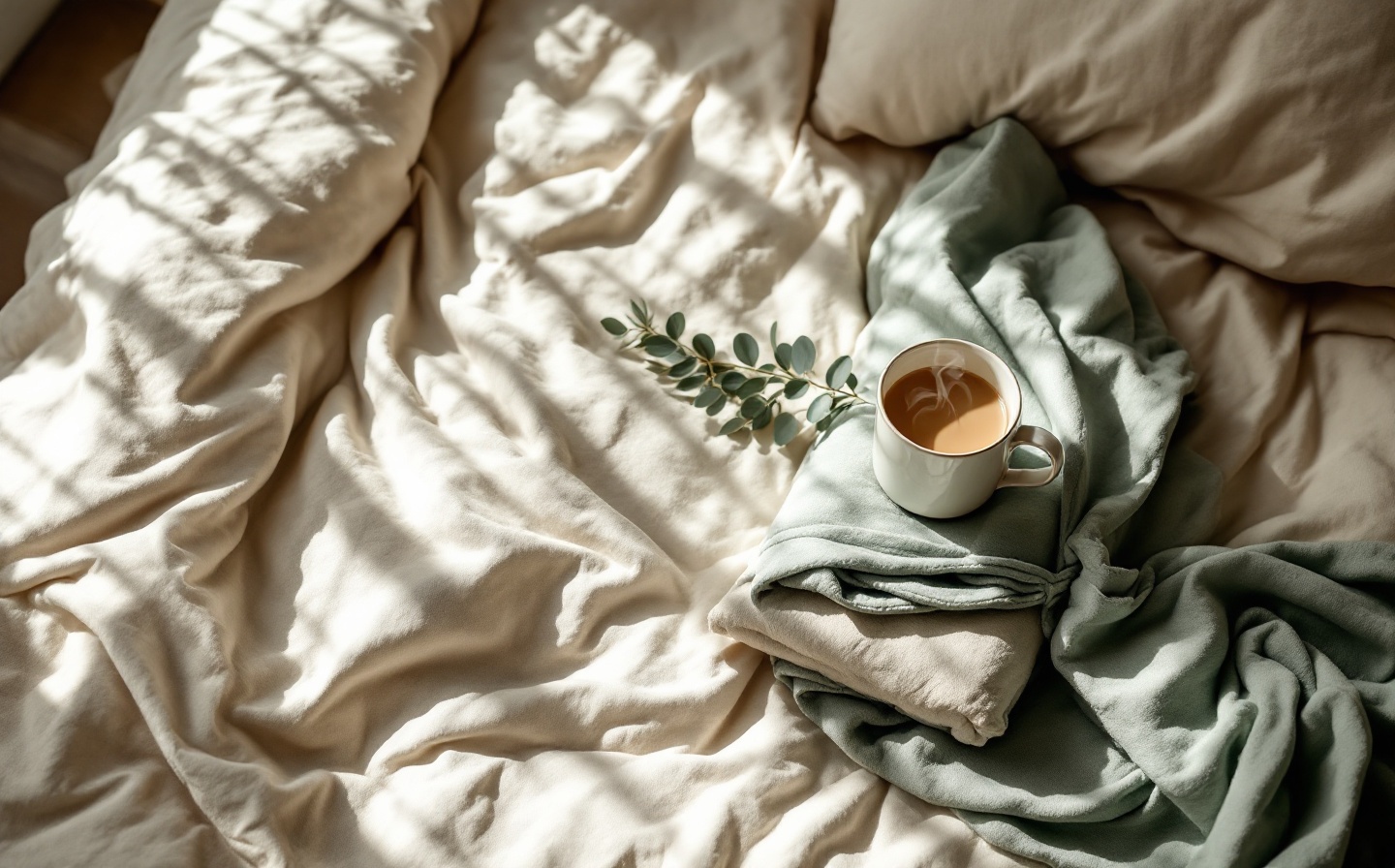
Cold Wash Only
Heat breaks down the cellulose structure. Wash in cold water to preserve the fiber integrity and encourage softening.
The paradox of linen — rough to transformative. Discover the science behind the softening process and how to care for your textiles.
By Elena Vance • October 12, 2023 • 5 min read
When you first unwrap a piece of Texly linen, it might feel stiff, almost paper-like. It’s a common reaction. But this isn't a defect; it’s the fabric's natural state before it meets your body.
Unlike synthetic fibers that are engineered to feel soft immediately, linen is a bast fiber harvested from the flax plant. Its initial stiffness is the result of the plant's natural pectins and waxes. The beauty of linen lies in its ability to break down these structural barriers through friction and wear, transforming from a rigid sheet into a garment that drapes beautifully and feels like a second skin.
Linen is composed of long, strong cellulose fibers. These fibers have a crystalline structure that resists bending. When the fabric is new, these fibers are tightly packed, creating that crisp hand feel. As you wash and wear the garment, the fibers begin to relax and the crystalline regions shift slightly. This process, known as "breaking in," reduces the internal friction between fibers, allowing them to slide against one another more easily. The result is a fabric that becomes softer, more breathable, and more flexible with every cycle.
Heat breaks down the cellulose structure. Wash in cold water to preserve the fiber integrity and encourage softening.
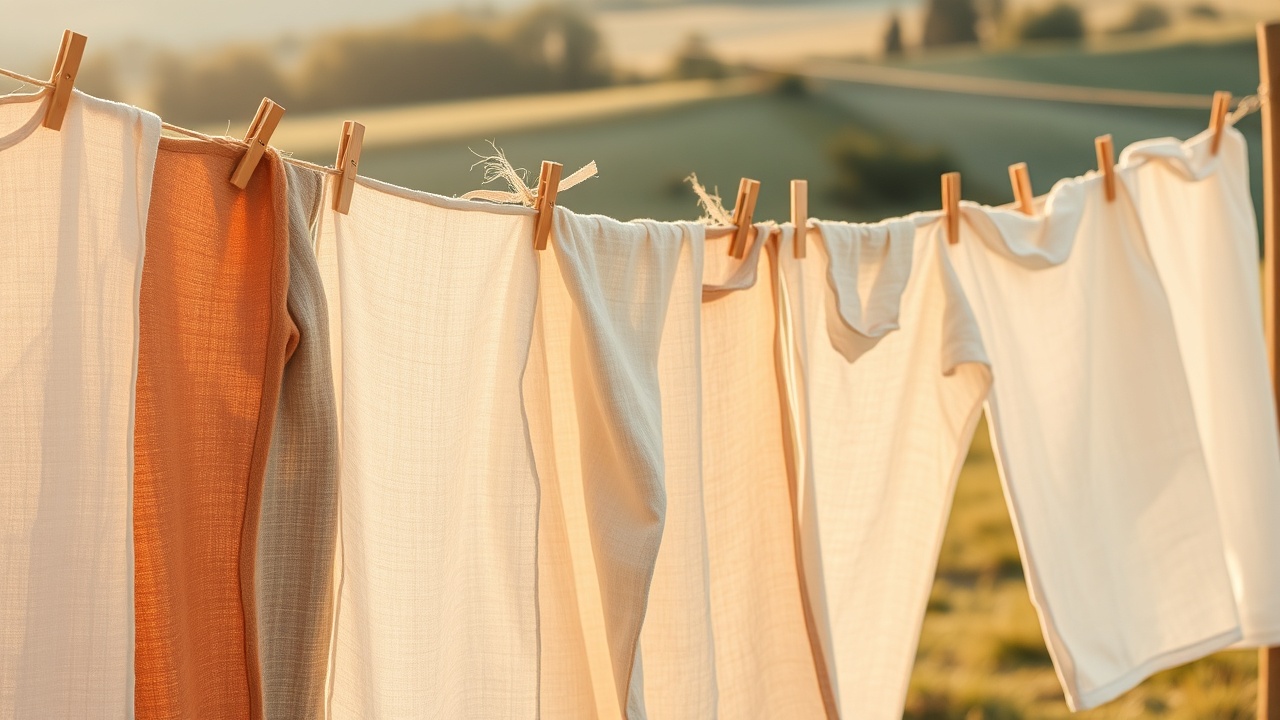
Tumble drying can cause shrinkage and stiffness. Air drying allows the fibers to relax naturally in the breeze.
Friction is key. The more you wear the garment, the faster the fibers break down their initial stiffness.
At Texly, we don't just buy linen; we curate it. We source our premium linen exclusively from small-batch weavers in Lithuania, adhering to the strict European Flax certification. This ensures that every thread is grown without irrigation, using rain-fed flax plants that require minimal water and no pesticides.
Before a single garment is cut, our textiles undergo a rigorous 80-cycle aging test. We wash, dry, and iron the fabric repeatedly to simulate years of wear, ensuring that the linen you receive is already on its journey to becoming softer with every wash.
Join the conversation about natural fibers.
From ancient Egypt to modern wardrobes, the enduring legacy of the world's oldest textile.
Comparing the breathability, durability, and sustainability of two of nature's finest fibers.
A guide to understanding certifications like GOTS and OEKO-TEX.